
This article contains spoilers for the first six episodes of “It: Welcome to Derry”.
How can we make the quintessential scary clown story less scary? The same way you make something less scary: by shining a light on it. Horror feeds on our collective fear of the unknown. It’s the not knowing that makes something truly unsettling, and in that sense the whole “It: Welcome to Derry” project seems both fascinating and potentially disastrous for one of the most famous works of horror of the last century.
You know what made “Skinamarink” the scariest movie of 2023? The fact that you never know what’s going on. Of course, many dismissed the film as a boring montage of grainy shots, but even those who couldn’t stomach Kyle Edward Ball’s experimental trauma had to admit that the film possessed an undeniably palpable sense of doom and despair. A lot of this came from the film refusing to explain itself, both by never explaining its overall narrative and in terms of the literal aspect of the film, which featured oddly framed shots that literally hid much of the action.
Take any scene from a movie that really bothered you, and there will almost certainly be an element of elision. The terrifying female ghost scene in “Pulse,” the heartbreaking “What’s in the Box?” climax of “Seven,” or the way season 1 of “True Detective” never confirms whether or not Carcosa’s cult had a supernatural element: these indelible examples refuse to be explained, ensuring we never forget. As such, a TV series exploring and explaining the details of a horror franchise almost seems designed to sap that franchise of its power, and with “Welcome to Derry,” there are already signs that that’s exactly what’s happening.
Welcome to Derry, values are explained in relation to fears
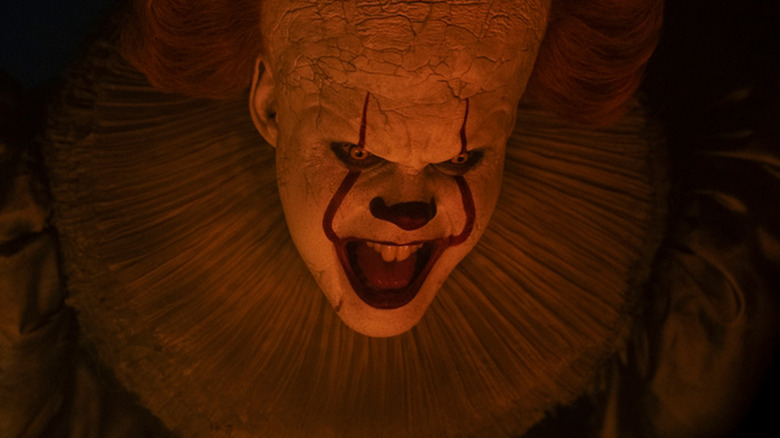
When it debuted, “It: Welcome to Derry” proved to be a surprisingly scary and gruesome show, shocking viewers with a brutal pilot episode that resulted in the total evisceration of a group of children. Things stayed that way for the first few episodes, as he terrorized the people of Derry with hellish updates of their deepest fears. But the real project of “Welcome to Derry” is not to scare you. It’s about explaining and exploring not only the story of the “It” saga, but also the broader story of Stephen King, making it crucial viewing for fans of the author.
Simply put, “Welcome to Derry” is designed to answer three major questions left unanswered by Stephen King’s novel “It,” all of which concern the titular entity. For King’s mega-fans, such a project will seem like a dream come true. For casual or even moderate horror fans who love a good scary clown story, this is the perfect way to rob Pennywise of his menace.
You can feel this process starting around episode five of the series. At this point we learned how it arrived on Earth and was contained by the indigenous people who lived on the lands that later became Derry. The “pillars” that prevent evil from spreading beyond the city limits are also the only things capable of harnessing its power, as evidenced by the moment in episode five where Clara Stack’s Lilly Bainbridge is about to be devoured by Pennywise only for the clown to stop in his tracks at the last second due to a glowing pillar beneath the surface of the sewage. The scene is great, but it’s also a great example of how “Welcome to Derry” itself might be the real-life equivalent of a pillar, undermining it of its influence.
This: Welcome to Derry already makes Pennywise less scary
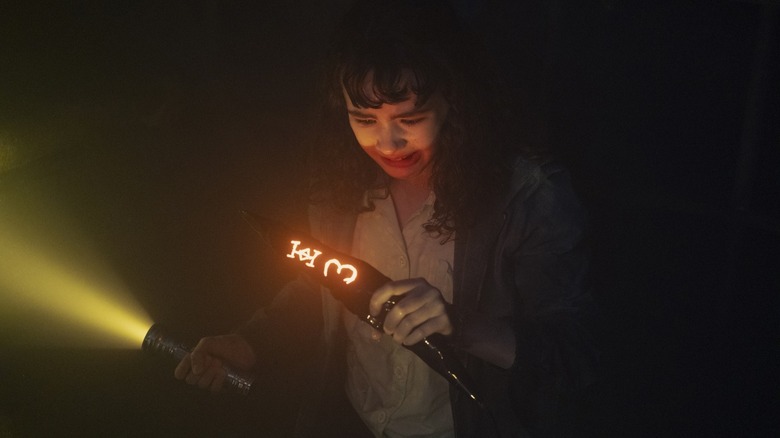
Episode 5 of “It: Welcome to Derry” sees the military and the show’s version of the Loser’s Club venture into the sewers to confront Pennywise. The episode then features several characters witnessing their deep-seated fears manifesting as he preys on the helpless souls trapped in the sewer system. But at this point we understand so much about the entity and its Pennywise form that the whole setting isn’t as scary as it could have been. The harlequin’s horrific antics seem more like the desperate actions of a caged animal than anything else, and because we know what we’re dealing with, the evil lurking in the shadows seems slightly less imposing.
It’s actually quite interesting and really impressive how series creators Andy Muschietti, Barbara Muschietti, and Jason Fuchs managed to weave so much lore together into the series. But there’s too much going on here to detract from the main appeal of an “It”, which is horror. “Welcome to Derry” already tones down its scares by repeating a major mistake of the films, namely the overuse of visual effects for its most gruesome scenes. Then there’s this unshakable feeling that each of the children in this series should have been traumatized into a catatonic state by their computer-induced nightmarish visions. But they quickly got over seeing the gnarled, reanimated remains of their deceased loved ones chasing them in grocery stores.
Taken as a whole, the series seems oddly torn between wanting to terrify us and having to cater to YouTube’s blackout generation and Easter egg-obsessed fans who value interconnectivity over storytelling. Time will tell if this will ultimately come to fruition, but until now, Pennywise has never felt as terrifying as he does right now.


