
The soldiers guarding the northwest frontier of the Roman Empire had a real parasite problem. Scientists analyzing the sewers of the Vindolanda Roman fort (near Hadrian’s Wall in northern England) discovered three types of intestinal parasites: roundworms, whipworms and Giardia duodenalis. The results published in the journal Parasitology marks the first time that Giardia duodenalis was documented in Roman Britain.
“Studying ancient parasites helps us learn about the pathogens that infected our ancestors, how they varied based on lifestyle, and how they changed over time,” Dr. Adrian Smith, study co-author and immunologist at the University of Oxford, said in a statement.
What are roundworms, whipworms and Giardia duodenalis?
All three parasites are spread through poor sanitation or contact with food, drinks, or hands contaminated with infected human feces. Roundworms and whipworms are commonly called helminths.
Roundworms are 20 to 30 cm long and live in the intestines. They can cause abdominal pain, fever and diarrhea. Typical types of roundworms in humans include pinworms and ascariasis, but can be treated with medication.
Whipworms are about two inches long and are also an intestinal parasite. According to the Cleveland Clinic, its name comes from its whip-like shape and appearance. Whipworm infection occurs most often in children and is more common in hot, humid climates and areas with poor sanitation and hygiene. With treatment, most people make a full recovery.
Giardia is a type of microscopic parasite that still frequently causes epidemics of diarrhea today. Symptoms of Giardia The infection (or giardiasis) includes stomach cramps, bloating, stomach pain, and loose stools. Giardiasis is also one of the most common causes of waterborne illness in the United States, according to the Mayo Clinic. Giardia duodenalis is a species of parasite that causes the same unpleasant symptoms.
“All three types of parasites we found could have caused malnutrition and diarrhea in some Roman soldiers,” added study co-author and University of Cambridge archaeologist Dr Marissa Ledger. “While the Romans were aware of intestinal worms, their doctors could do little to eliminate infection by these parasites or help those suffering from diarrhea, meaning symptoms could persist and worsen. These chronic infections likely weakened soldiers, reducing their fitness for duty. Helminths alone can cause nausea, cramping, and diarrhea.”
Guard the wall
Vindolanda Roman Fort was located between present-day Carlisle and Corbridge in Northumberland, Great Britain. It was also near the infamous Hadrian’s Wall. The wall was built by the Romans in the early 2nd century CE to protect the province from attacks by tribes living further north. Hadrian’s Wall remained in use until the end of the 4th century. The wall stretches from east to west, from the North Sea to the Irish Sea, and has various forts like Vindolanda and regularly spaced towers. The Romans used infantry, archery, and cavalry units from across the Roman Empire to defend this outpost.
For archaeologists, Vindolanda is known for the organic objects preserved in the waterlogged soil for centuries. More than 1,000 thin wooden tablets written in ink and documenting daily life at the fort, as well as a collection of more than 5,000 Roman leather shoes have all been discovered at Vindolanda.
In this new study, a team from the Universities of Cambridge and Oxford in England excavated the sediments of a third-century sewer from the latrines of the fort’s bath complex. The drain carried waste from the communal latrines to a stream towards the north of the fort.
The team collected 50 sediment samples along the latrine drain, approximately 30 feet long. The team also discovered Roman beads, pottery and animal bones in the drain. Back in university laboratories, researchers searched for ancient microscopic remains of helminth eggs, looking for evidence of parasitic worm species that could infect humans and other animals.
About 28 percent of the samples contained roundworm or whipworm eggs. One sample even contained remains of both species. The team analyzed this sample using a biomolecular technique called ELISA (Enzyme-Linked Immunosorbent Assay). With ELISA, they found traces of Giardia duodenalis in Roman Britain for the first time.
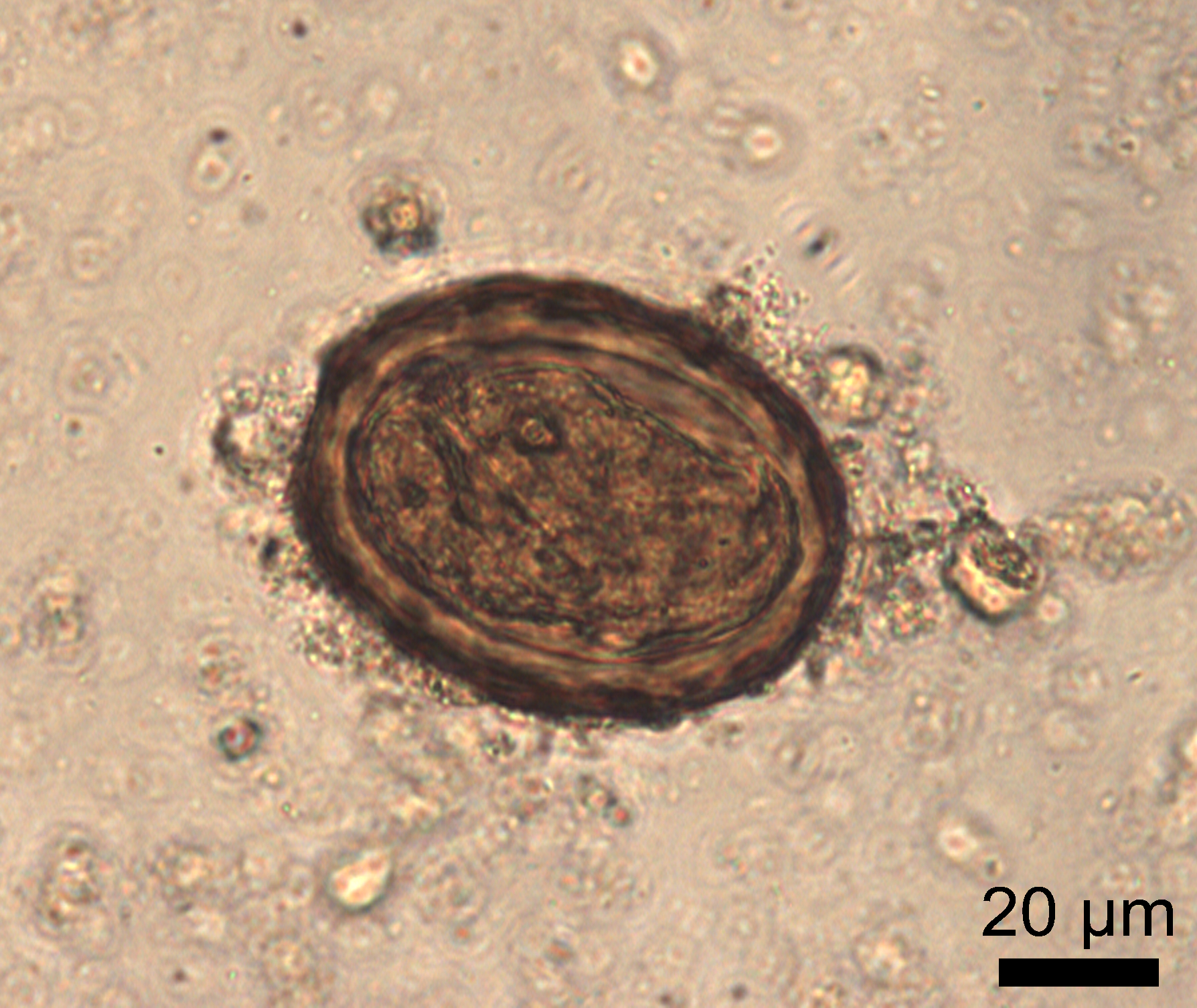
For comparison, they also took a sample related to an earlier fort built in 85 CE and abandoned around 92 CE. This older sample contained both roundworms and whipworms.
According to the team, soldiers at these sites could have become seriously ill from dehydration over the summer. Giardia outbreaks, which are often linked to contaminated water and can spread quickly.
“Untreated giardiasis can last for weeks, causing dramatic fatigue and weight loss,” added study co-author and Cambridge biological anthropologist Dr Piers Mitchell. “The presence of the fecal-oral parasites we found suggests that conditions were ripe for other intestinal pathogens such as Salmonella And Shigellawhich could have triggered other epidemics.
“Roman Wall Blues”
This prevalence of fecal-oral parasites at Vindolanda is similar to that at other Roman military sites, including Valkenburg on the Rhine in the Netherlands, Carnuntum in Austria, and Bearsden in neighboring Scotland. More urban sites, including London and York, had a more diverse range of parasites, such as fish and meat tapeworms.
“Excavations at Vindolanda continue to find new evidence that helps us understand the incredible difficulties faced by those assigned to this north-western frontier of the Roman Empire almost 2,000 years ago, challenging our preconceptions of what life was really like in a Roman fort and frontier town,” added Dr Andrew Birley, CEO of the Vindolanda Charitable Trust.
Trials that have not been forgotten. “Roman Wall Blues” by 20th-century Anglo-American writer WH Auden opens with:
“On the heather blows the damp wind,
I have lice in my tunic and a cold in my nose.
Augen could have added serious stomach problems to his list of Roman blues.

PopSci Outdoor Gift Guide 2025


