New salmonella outbreak attributed to a food supplement imported from India; reminder launched


The FDA and CDC are investigating a new outbreak of Salmonella Richmond infections that has been traced to imported moringa leaf powder.
As of October 31, there were 11 confirmed cases of the outbreak in seven states. Three of the patients had to be hospitalized. The illnesses began between May 12 and September 4. The patients are aged 13 to 65 years old.
According to the Centers for Disease Control and Prevention, nine out of 10 patients surveyed reported consuming powdered dietary supplements. Six of those people reported eating Member’s Mark Super Greens powder. Three people reported other products containing moringa leaf powder.
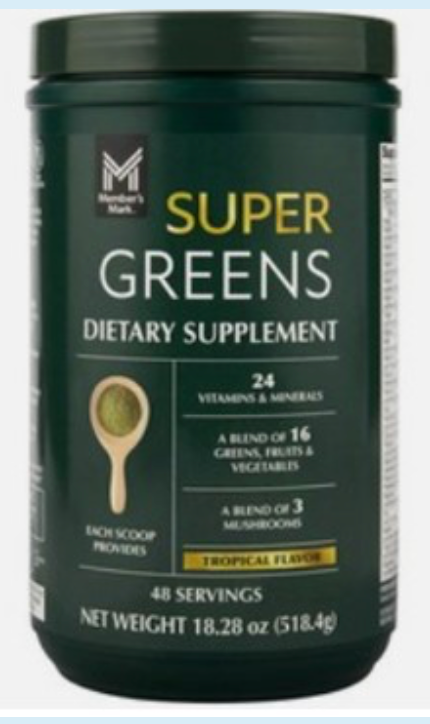
The powder was sold online and in Sam’s Club stores nationwide. Sam’s Club has ceased distribution and sale of the product. Consumers who still have this product in their home should not eat or serve the recalled Member’s Mark Super Greens Dietary Supplement Powder and should throw this product away or return it to the place of purchase. Sam’s Club also contacted its customers directly to inform them of the recall.
Moringa powder was supplied to the United States by Vallon Farm Direct PVT LTD of Johdpur, India.
The Food and Drug Administration used traceability records of organic moringa leaf powder collected in the supply chain for the eight outlets, which converged on a direct importer of organic moringa leaf powder from Vallon Farm Direct PVT LTD in India.
As part of the outbreak investigation, the Virginia Department of Health collected an open sample of moringa leaf powder from the home of an ill person. This sample tested positive for Salmonella and, based on whole genome sequencing, matches the strain causing the illnesses in this outbreak, according to the CDC.
Additionally, an opened sample of Member’s Mark Super Greens dietary supplement powder was collected from the home of an ill person by the Michigan Department of Agriculture and Rural Development and analyzed by the Michigan Department of Health and Human Services. This sample tested positive for Salmonella and, based on whole genome sequencing, matches the strain causing the illnesses in this outbreak.
According to the CDC, there are likely many more patients with an outbreak than have been identified because some people are not seeking medical attention and others are not specifically tested for Salmonella infection. The agency estimates that for every patient confirmed in a salmonella outbreak, 29 more go undetected.
About Salmonella Infections
Foods contaminated with Salmonella bacteria generally do not look, smell, or taste spoiled. Anyone can get a Salmonella infection. Infants, children, the elderly and people with weakened immune systems are at higher risk of severe illness because their immune systems are fragile, according to the CDC.
Anyone who has eaten any of the recalled products and developed symptoms of Salmonella infection should seek medical attention. Sick people should tell their doctor about their possible exposure to Salmonella bacteria, because special tests are needed to diagnose salmonellosis. Symptoms of a Salmonella infection can mimic other illnesses, often leading to misdiagnosis.
Symptoms of Salmonella infection may include diarrhea, abdominal cramps, and fever within 12 to 72 hours after eating contaminated food. Otherwise, healthy adults typically stay sick for four to seven days. In some cases, however, diarrhea can be so severe that patients need to be hospitalized.
Older adults, children, pregnant women, and people with weakened immune systems, such as cancer patients, are more likely to develop serious illness and serious, sometimes life-threatening conditions.
Some people become infected without getting sick or showing symptoms. However, they can still transmit the infections to others.
(To sign up for a free subscription to Food Safety News, click here)


